Why Schedules and Budgets Fail Without Integrated Analysis
Author: Muhammad Amer Chaudhry
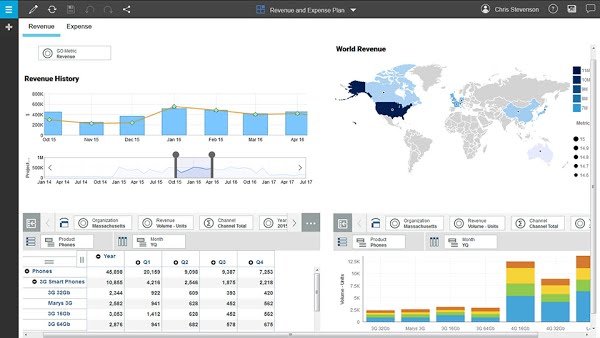
Schedules and budgets are often developed by different teams, using different tools, governed by different assumptions. This structural separation creates blind spots that only surface during execution—usually too late.
Schedule slippage almost always drives cost growth through extended overheads, inefficiencies, and resource stacking. Yet many organizations still treat time and cost variances as independent phenomena. This is analytically incorrect.
Integrated Schedule & Cost Control focuses on:
Logic-driven schedules with defensible critical paths
Time-phased budgets aligned to execution logic
Earned value metrics interpreted in schedule context
A positive CPI with deteriorating critical path health is not good news—it is deferred risk. Similarly, aggressive schedule recovery plans without cost impact modeling create false confidence.
True control requires understanding causality, not just variance. When analytics connects schedule behavior to cost outcomes, forecasts become more reliable and decision-making becomes defensible—particularly in claims, audits, and executive reviews.